
Our Blog: Expert Tips on Water Systems, Maintenance & More
Stay informed with helpful articles, how-to guides, and expert advice on everything from water wells and pump systems to water treatment and cistern maintenance.
Whether you're a homeowner, acreage owner, or contractor, our blog covers practical solutions, seasonal tips, and the latest industry insights to help you protect your water system and make informed decisions.
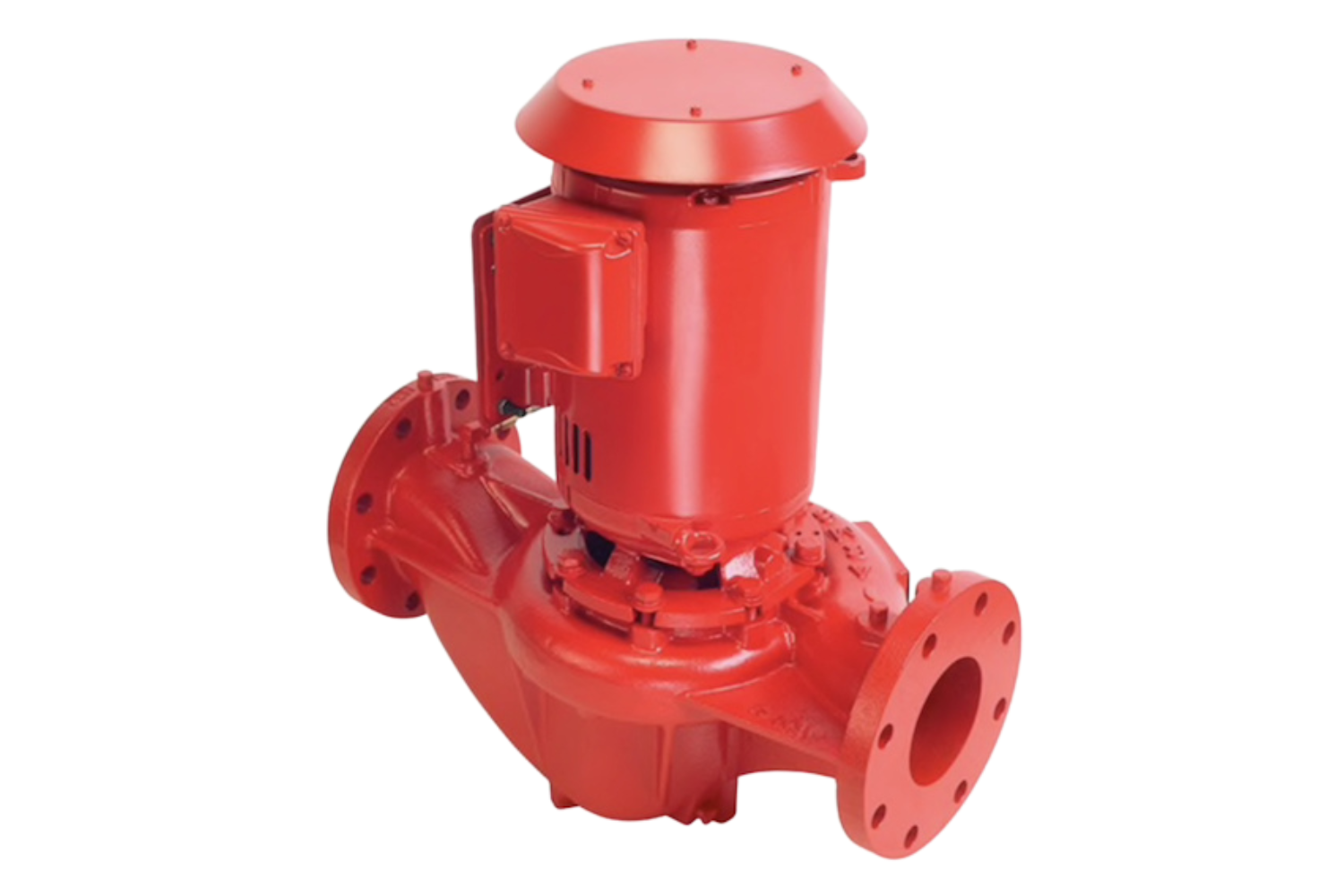
Pumps are tough, but they don’t last forever. Most failures are preventable if you know what to watch for. The Most Common Causes of Pump Failure Running dry – destroys seals and motors Clogged impellers – solids, rags, or grease block flow Electrical faults – shorts, burnt wiring, or blown fuses Worn seals and bearings – normal wear and tear Poor installation – wrong size or improper alignment Neglected maintenance – the silent killer How Long Should a Pump Last? With proper care: Well pumps: 10–15+ years Sewage/effluent pumps: 7–12 years Pressure system components: 8–15 years Neglect can cut those numbers in half. How to Extend Your Pump’s Life Don’t overload the system Keep debris out of sewage lines Perform regular maintenance Respond to alarms and unusual noises immediately Use the right pump for the job Why Professional Installation Matters Even the best pump fails if installed incorrectly. Incorrect sizing, wiring, or controls will shorten life and increase downtime. Bottom line: Pumps are workhorses. Treat them like tools, maintain them, and they’ll serve you reliably for years.
Pump failure is a fact of life — but deciding whether to repair or replace it isn’t always obvious. Here’s what we tell our customers at Pump-Tech Plumbing & Pump Repair . When Pump Repair Makes Sense Repair is often the right choice when: The pump housing is still solid The motor can be rebuilt Seals, bearings, or impellers are the main problem Replacement parts are available The pump was properly sized from the start A professional in-shop repair can restore a pump to like-new performance. When Replacement Is the Better Option Replacement is smarter when: The housing is cracked or corroded Internal damage is extensive Parts are unavailable or obsolete The pump was undersized or poorly designed Failures are recurring We don’t push replacements just to sell — we recommend what makes sense for long-term reliability. Why In-Shop Repair Matters Repairing a pump in-shop allows our team to: Completely disassemble it Inspect every component: seals, bearings, impellers, and motor windings Replace worn parts properly Test the pump under load before it goes back into service Quick fixes or field repairs can’t match the reliability of a professional rebuild. Bottom line: A properly repaired pump saves money and headaches. Don’t replace unless it’s truly necessary.
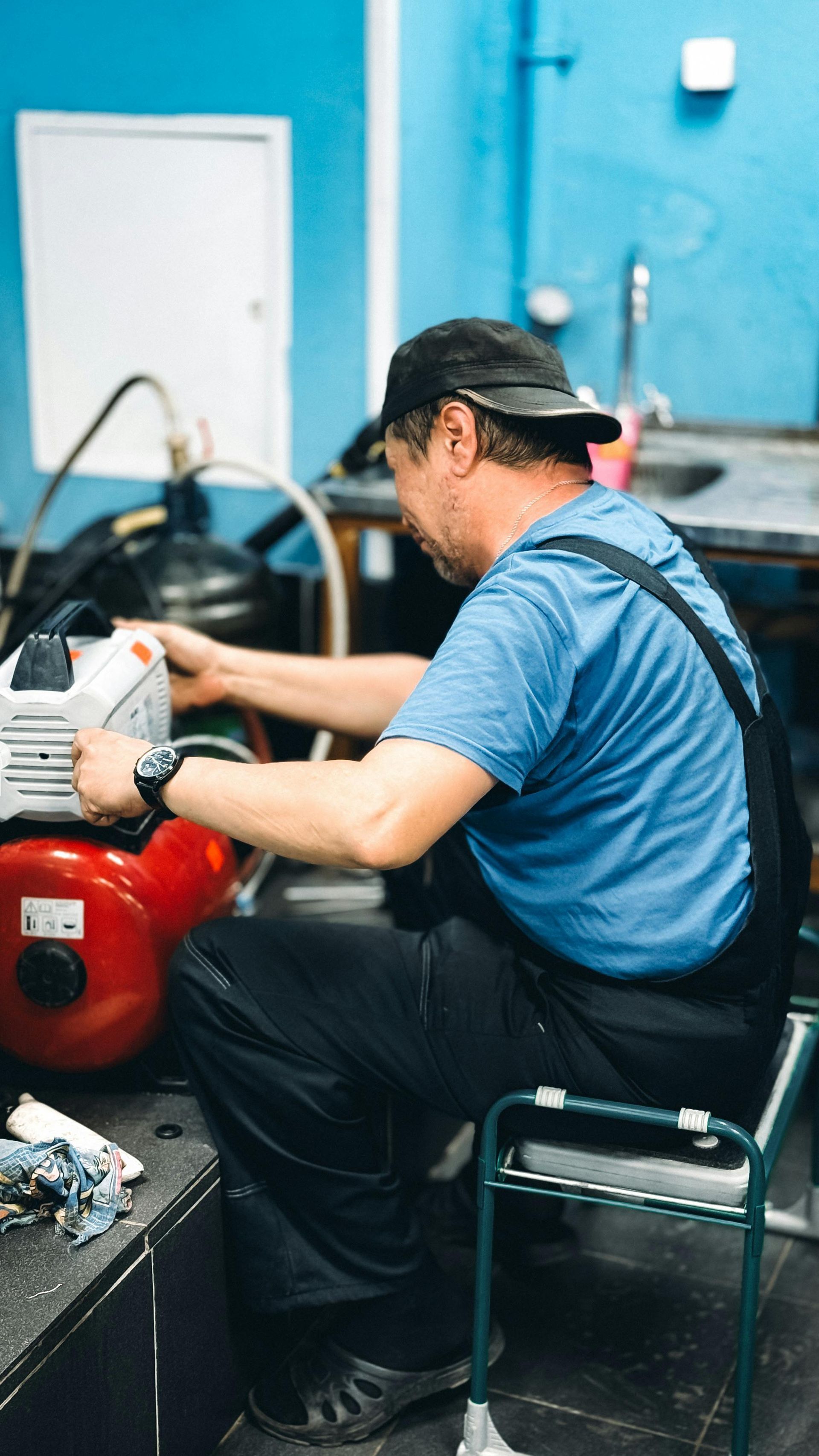
Lift stations work hard underground, out of sight. That’s why many people forget about them — until something goes wrong. And when a lift station fails, it fails fast. How Often Should Lift Stations Be Serviced? General guidelines: Residential lift stations: once or twice per year Commercial/high-use systems: every 3–4 months Older systems: more frequent inspections Usage, waste type, and system age all matter. What Happens During a Professional Service Visit? A proper service goes beyond just “checking the pump.” Our team inspects and tests: Pump operation and amperage Float switches and level sensors Check valves and backflow protection Wet well condition and buildup Control panels and alarms We clean, adjust, and replace parts before they fail — catching issues before they turn into emergencies. What Happens If Maintenance Is Ignored? Common problems we see when maintenance is skipped: Burnt-out pumps Stuck floats Silent alarms Sewage backups or overflows Emergency calls at the worst possible time Emergency repairs are expensive. Cleanup costs even more. Can Homeowners Service Their Own Lift Stations? Not safely. Lift stations involve confined spaces, raw sewage, and electrical components. Without proper training and certification, it’s a high-risk job. Bottom line: Regular lift station maintenance is cheaper and safer than dealing with a failure.
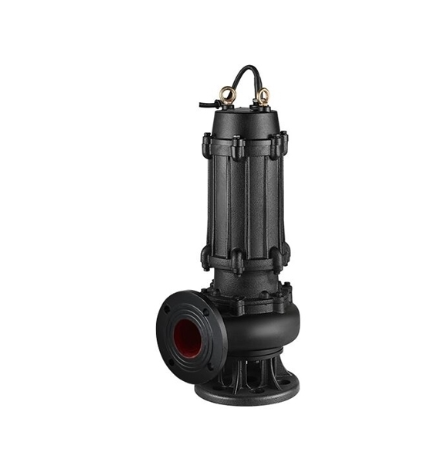
What separates quick fixes from long-lasting repairs? Experience, grit, and willingness to get your hands dirty. That’s the kind of repair work we do.
What separates quick fixes from long-lasting repairs? Experience, grit, and willingness to get your hands dirty. That’s the kind of repair work we do.
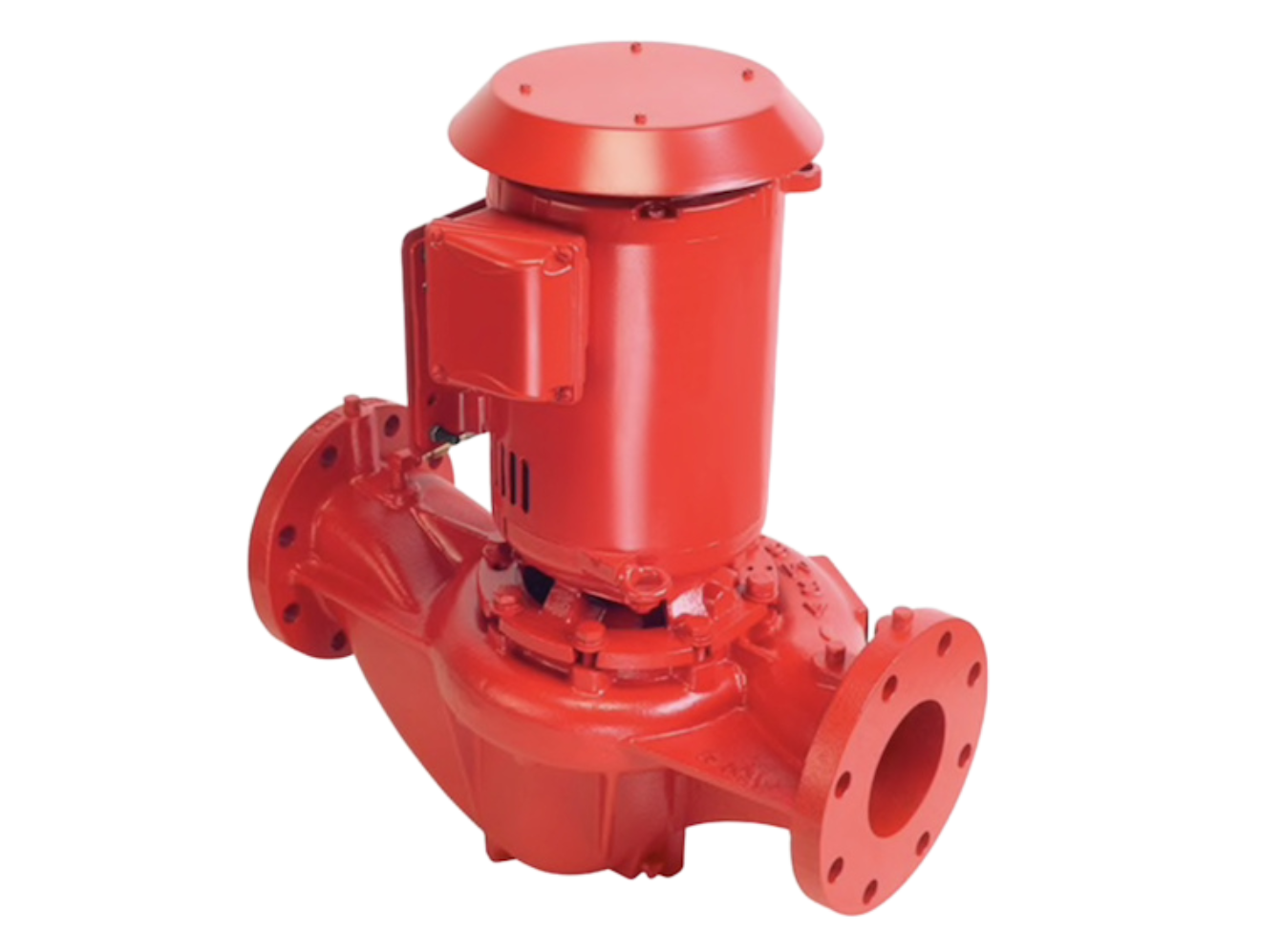
What separates quick fixes from long-lasting repairs? Experience, grit, and willingness to get your hands dirty. That’s the kind of repair work we do.

What separates quick fixes from long-lasting repairs? Experience, grit, and willingness to get your hands dirty. That’s the kind of repair work we do.
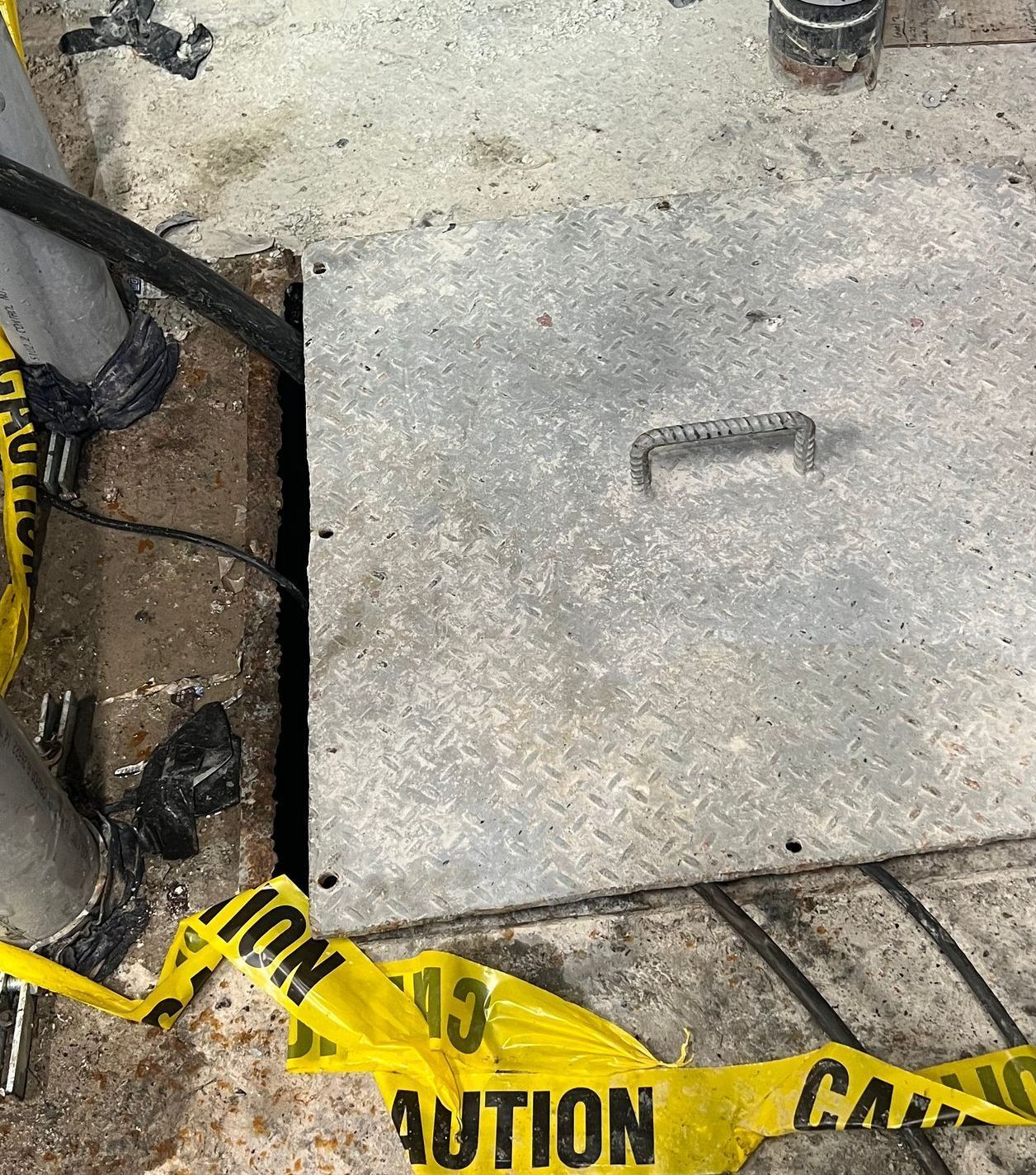
Fall is one of the busiest times of year for our technicians — and for good reason. As temperatures cool, the demand on sewage lift stations , pressure systems , and sump pumps increases. Leaves, sludge, and debris can build up faster, and by winter, freezing conditions make access and repair much more difficult. That’s why Pump-Tech Plumbing & Repair Ltd. recommends scheduling preventive maintenance in the fall to keep your system running all winter long. Common Autumn Problems in Manitoba Systems Increased Debris Load – Falling leaves and organic matter can clog wet wells and screens , forcing pumps to work harder. Cold-Weather Startups – Electric motors and float switches become sluggish or fail if not serviced before freezing weather hits. Ground Movement – Freeze-thaw cycles can shift underground piping, causing leaks or alignment problems in force mains and pressure systems . Power Outages – Early winter storms often trigger outages that can stop lift stations, causing backups or alarm failures. Seasonal Maintenance You Should Schedule Now Clean and inspect your lift station wet well Test float switches and alarms Check and lubricate pump motors and seals Inspect and flush pressure lines and valves Verify backup systems and power supply By getting this work done before winter, you prevent emergency callouts when the ground is frozen and access is limited. Manitoba’s Trusted Pump and Lift Station Experts Based near Winnipeg, Pump-Tech Plumbing & Repair Ltd. provides professional maintenance for private water and sewage systems across Springfield, Selkirk, Tache, Brokenhead, Lockport , and beyond. We’re equipped for confined space entry , mobile lift station servicing , and cold-weather system repair — making us your go-to team before the deep freeze hits. 📞 Book your fall service appointment today and keep your system running strong all winter.

What separates quick fixes from long-lasting repairs? Experience, grit, and willingness to get your hands dirty. That’s the kind of repair work we do.
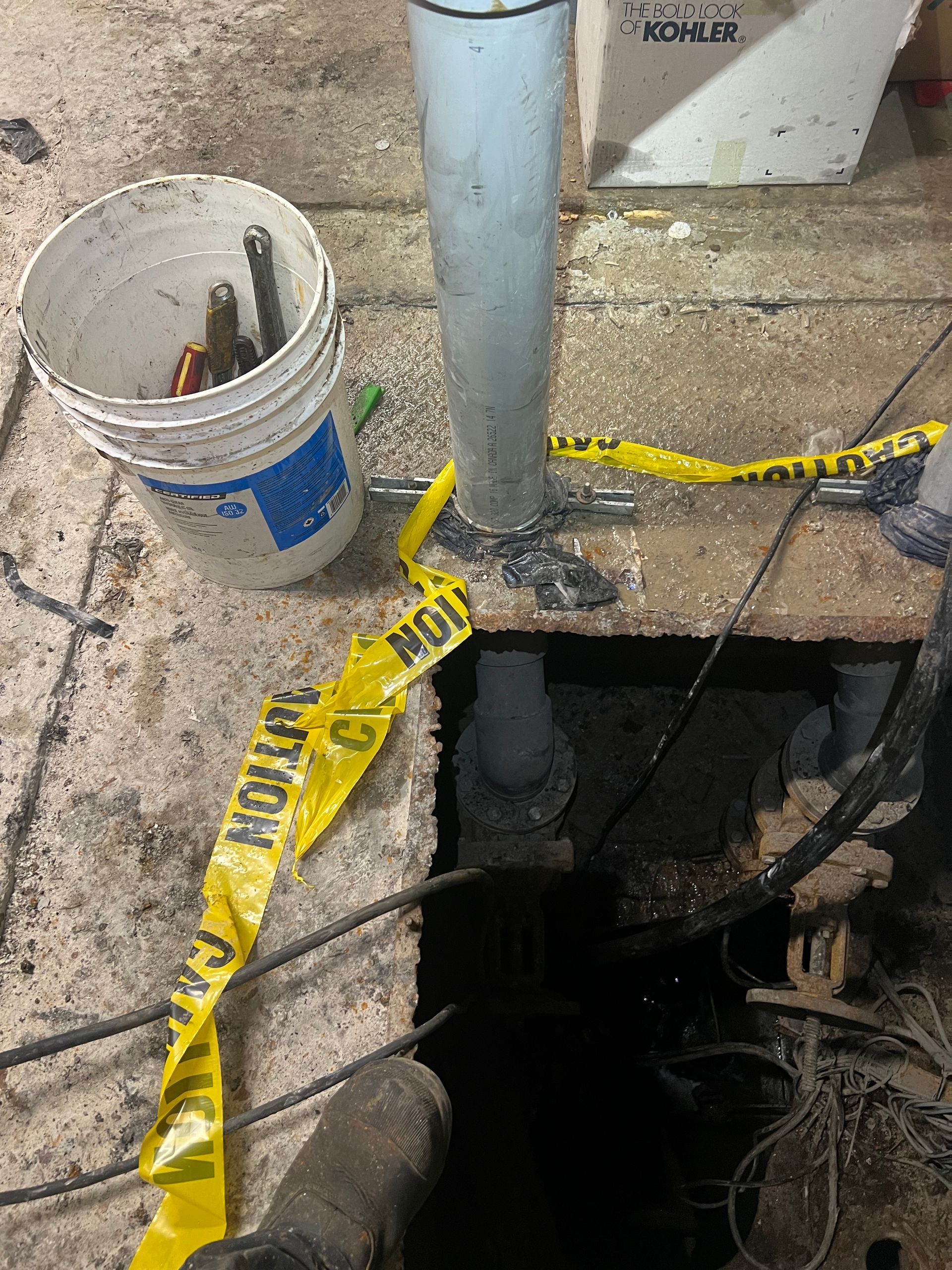
If your property relies on a sewage system , chances are you have a lift station working quietly behind the scenes. These systems are crucial for moving wastewater from lower elevations—like basements, holding tanks, or remote buildings—up to your main septic or municipal line . At Pump-Tech Plumbing & Repair Ltd. , we specialize in maintaining, repairing, and upgrading lift stations across Winnipeg, Selkirk, Springfield, Lockport, Tache, Brokenhead , and surrounding Manitoba areas. Regular maintenance isn’t just a good idea—it’s the key to preventing costly and messy emergencies. What Does a Lift Station Do? A lift station (also called a sewage pump station) collects wastewater in an underground basin and uses one or more sewage pumps to lift it to a higher point in your system. These are often found in: Commercial buildings and industrial sites Municipal and community wastewater systems Multi-home or cottage developments Without regular maintenance, solids and grease can build up, floats can stick, and pumps can burn out—leading to backups, odours, or system failure. Key Parts of a Lift Station to Maintain Pumps and Motors – Need to be checked for wear, overheating, or clogging. Floats and Sensors – Must move freely to properly activate the pumps. Check Valves – Prevent wastewater from flowing back into the basin. Control Panel and Alarms – Ensure reliable operation and emergency alerts. Wet Well Cleaning – Keeps buildup and odours under control while extending pump life. How Often Should a Lift Station Be Serviced? We recommend quarterly inspections for commercial systems and biannual maintenance for private or residential stations. Each service should include: Pump testing and electrical checks Cleaning of the wet well and float switches Inspection of check valves, seals, and piping Removal of grease or debris System performance review Regular service ensures your pumps and pressure systems run efficiently—and helps you avoid expensive replacements. Professional Service You Can Rely On Our technicians are trained in confined space entry , pump repair , and mobile lift station servicing , allowing us to handle maintenance safely and efficiently on-site. Whether it’s a farm, business, or rural property, we’ve got the expertise and equipment to keep your system running smoothly. 📍 Serving All of Manitoba From Winnipeg to Selkirk and Springfield , and through Tache, Lockport, Brokenhead , and surrounding areas, Pump-Tech Plumbing & Repair Ltd. provides dependable lift station service and repairs . If it’s been more than six months since your last maintenance—or if your alarm light just went off—don’t wait. 📞 Call Pump-Tech Plumbing & Repair Ltd. today to schedule a full inspection or emergency repair.