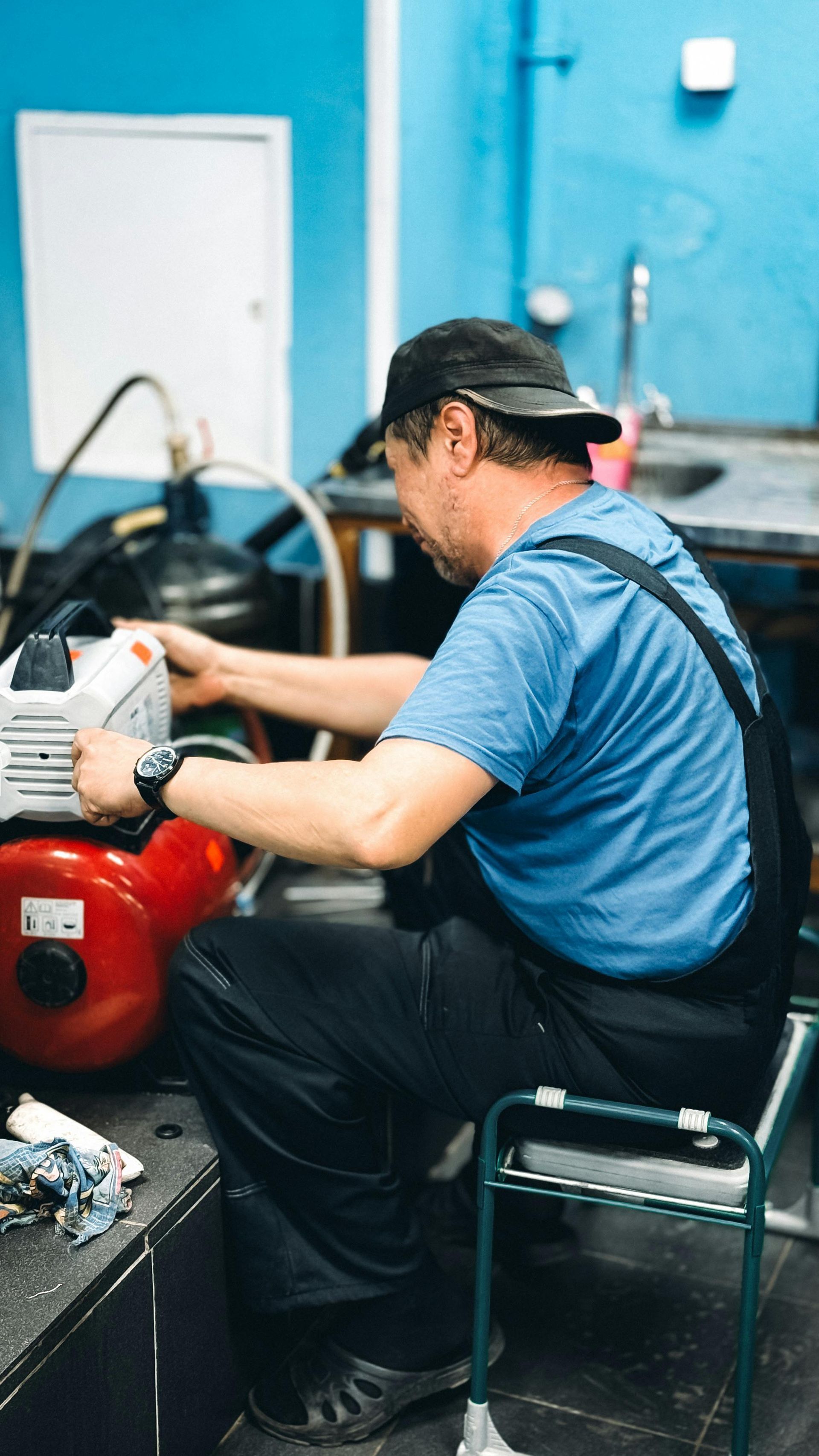
From Burnt Motors to Clogged Sewage — Inside the Heavy-Duty Repair at Pump-Tech

December 25, 2025

Pumps don’t wear out gently. They seize up, burn out, clog, or just plain die — often when you least expect. What separates quick fixes from long-lasting repairs? Experience, grit, and willingness to get your hands dirty. That’s the kind of repair work we do at Pump-Tech Plumbing & Pump Repair Ltd.


The Common Killers — And How We Combat Them

  • Clogged impellers or housings: Sewage and effluent pumps often deal with solids, grease, rags, and sludge. When those build up, flow drops, motors overheat, and failures happen fast. We disassemble, clean, inspect, replace seals, and re-balance impellers so the pump flows true again.
  • Worn or burnt motors: Over time, constant operation — especially with heavy loads — wears down motor windings, bearings, or insulation. In many cases, we can rebuild or rewire the motor; if not, we source compatible replacements to bring dead pumps back to life.
  • Electrical faults & control failures: Pumps are only as good as their power and controls. Faulty switches, corroded wiring, overloaded circuits — these often cause premature pump death. We test entire systems, trace wiring issues, and replace defective parts to restore reliability.
  • Submersible-system failures: Pumps buried deep underwater or buried underground take different punishment — water ingress, corrosion, seal failure. Our technicians check seals, shaft integrity, and housings; if needed, we overhaul or replace components so the pump can handle harsh Manitoba weather and groundwater conditions.


Why In-Shop Overhaul Beats Band-Aids & Quick Fixes

You might find a “cheap” patch-up somewhere. But patched-up pumps tend to fail — fast. Our in-shop repairs are thorough: inspection, part-by-part rebuild, full testing, and often better reliability than a brand-new off-the-shelf replacement. That’s what you pay for — not quick fixes, but long-term solutions built for tough conditions.


Fast Turnaround — Because Downtime Costs You

We know how downtime hits: no water, backups, lost productivity, lost comfort. That’s why we prioritize speed without compromising quality. Whether you bring the pump to us or we come to you, we aim to get you back up and running — fast.

If you’re anywhere in Winnipeg, Lockport, Selkirk, or the rural corners of Manitoba — and your pump is giving trouble — don’t wait until it fails. Call the crew that’s been doing real water and sewage work for over 20 years.

Have questions? Need a lift station inspected, a pump repaired, or a new system installed? Don’t wait until a small issue becomes a big problem. Call the pros at Pump-Tech Plumbing & Pump Repair Ltd. today.


📍 Shop / Office: 80 IXL Crescent, St. Clements Industrial Park, Selkirk, MB R1A 2A8
?? Phone: 1‑204‑757‑7219
📱 Text: 1‑204‑451‑2237
🌐 Website: www.pumptechplumbing.ca


We proudly serve Winnipeg, Springfield, Selkirk, Lockport, Brokenhead, Tache, St. Clements, and surrounding rural Manitoba communities, including cottages, farms, and municipal systems.
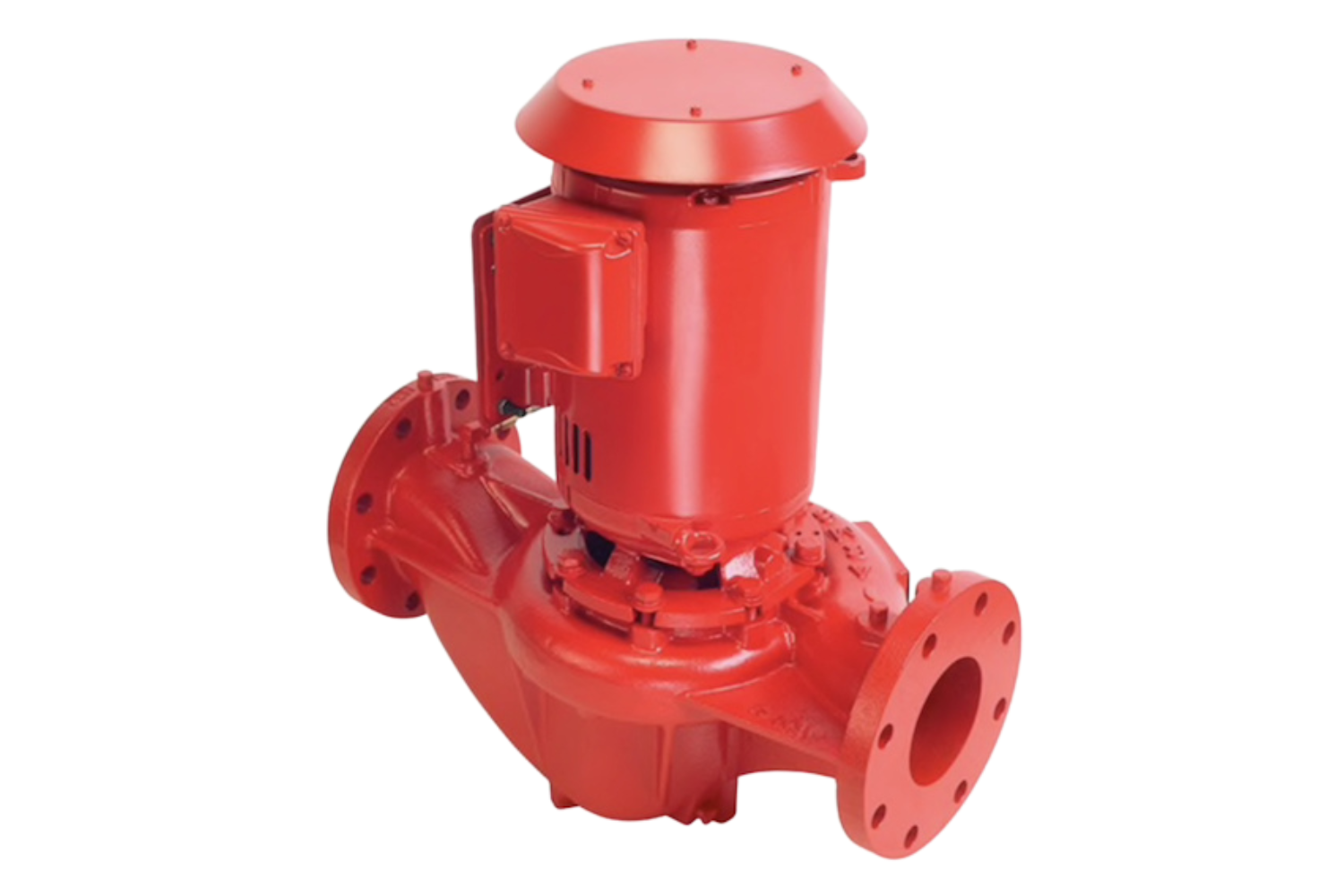
mobile pump repair winnipeg manitoba
January 22, 2026
Pumps are tough, but they don’t last forever. Most failures are preventable if you know what to watch for. The Most Common Causes of Pump Failure Running dry – destroys seals and motors Clogged impellers – solids, rags, or grease block flow Electrical faults – shorts, burnt wiring, or blown fuses Worn seals and bearings – normal wear and tear Poor installation – wrong size or improper alignment Neglected maintenance – the silent killer How Long Should a Pump Last? With proper care: Well pumps: 10–15+ years Sewage/effluent pumps: 7–12 years Pressure system components: 8–15 years Neglect can cut those numbers in half. How to Extend Your Pump’s Life Don’t overload the system Keep debris out of sewage lines Perform regular maintenance Respond to alarms and unusual noises immediately Use the right pump for the job Why Professional Installation Matters Even the best pump fails if installed incorrectly. Incorrect sizing, wiring, or controls will shorten life and increase downtime. Bottom line: Pumps are workhorses. Treat them like tools, maintain them, and they’ll serve you reliably for years.
pump repair winnipeg manitoba
January 15, 2026
Pump failure is a fact of life — but deciding whether to repair or replace it isn’t always obvious. Here’s what we tell our customers at Pump-Tech Plumbing & Pump Repair . When Pump Repair Makes Sense Repair is often the right choice when: The pump housing is still solid The motor can be rebuilt Seals, bearings, or impellers are the main problem Replacement parts are available The pump was properly sized from the start A professional in-shop repair can restore a pump to like-new performance. When Replacement Is the Better Option Replacement is smarter when: The housing is cracked or corroded Internal damage is extensive Parts are unavailable or obsolete The pump was undersized or poorly designed Failures are recurring We don’t push replacements just to sell — we recommend what makes sense for long-term reliability. Why In-Shop Repair Matters Repairing a pump in-shop allows our team to: Completely disassemble it Inspect every component: seals, bearings, impellers, and motor windings Replace worn parts properly Test the pump under load before it goes back into service Quick fixes or field repairs can’t match the reliability of a professional rebuild. Bottom line: A properly repaired pump saves money and headaches. Don’t replace unless it’s truly necessary.
lift station repair and maintenance winnipeg
January 7, 2026
Lift stations work hard underground, out of sight. That’s why many people forget about them — until something goes wrong. And when a lift station fails, it fails fast. How Often Should Lift Stations Be Serviced? General guidelines: Residential lift stations: once or twice per year Commercial/high-use systems: every 3–4 months Older systems: more frequent inspections Usage, waste type, and system age all matter. What Happens During a Professional Service Visit? A proper service goes beyond just “checking the pump.” Our team inspects and tests: Pump operation and amperage Float switches and level sensors Check valves and backflow protection Wet well condition and buildup Control panels and alarms We clean, adjust, and replace parts before they fail — catching issues before they turn into emergencies. What Happens If Maintenance Is Ignored? Common problems we see when maintenance is skipped: Burnt-out pumps Stuck floats Silent alarms Sewage backups or overflows Emergency calls at the worst possible time Emergency repairs are expensive. Cleanup costs even more. Can Homeowners Service Their Own Lift Stations? Not safely. Lift stations involve confined spaces, raw sewage, and electrical components. Without proper training and certification, it’s a high-risk job. Bottom line: Regular lift station maintenance is cheaper and safer than dealing with a failure. 
Show More